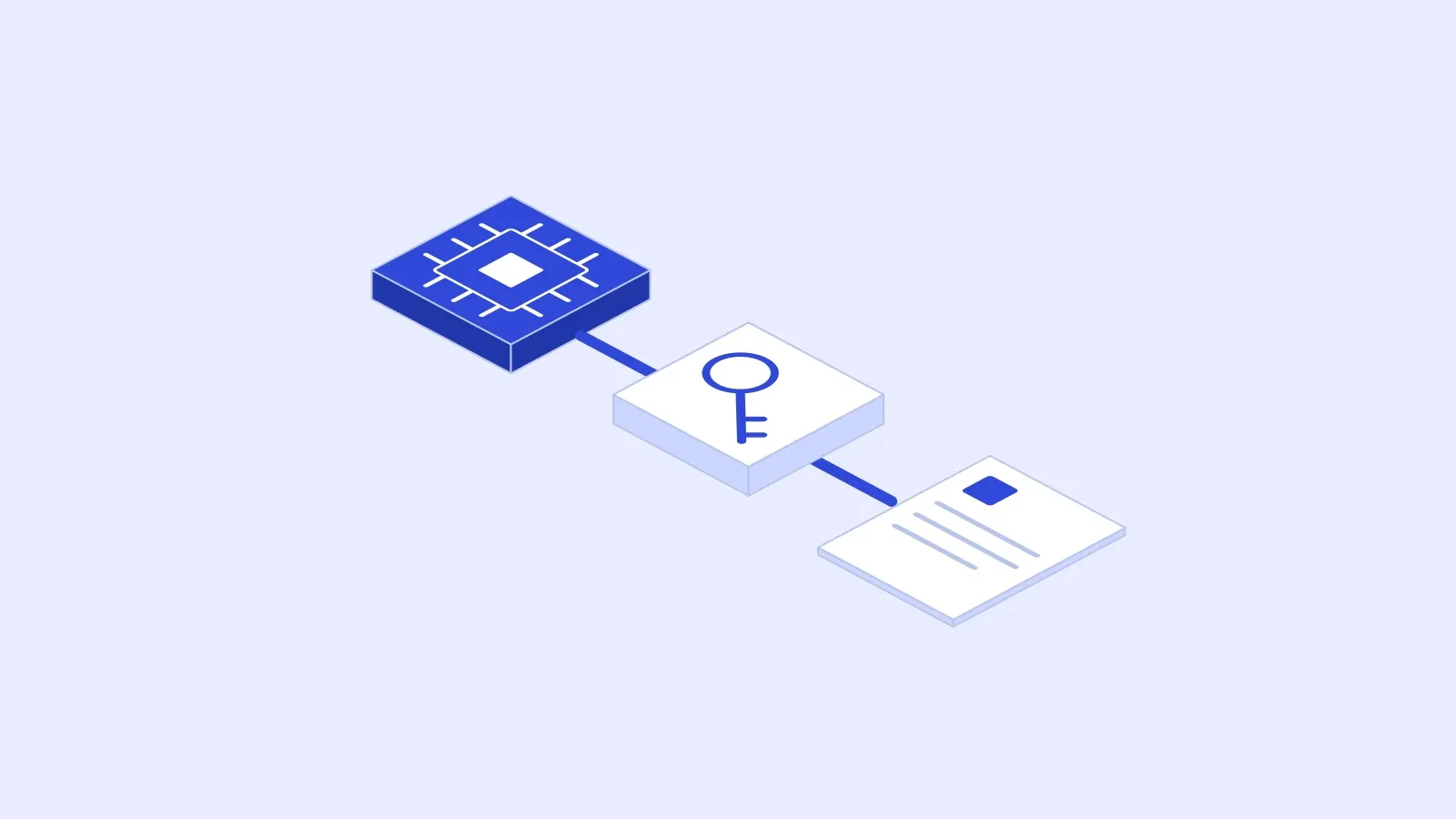

A support message says, “Please move this to the annual plan.” Before software can act, it needs to know which account is involved, what change was requested and whether any required information is missing. A well-written paragraph is useful to a person, but it leaves the application to recover those fields from prose.
Structured outputs let an AI application request a defined record. A schema describes fields, types and allowed values. On systems that support constrained generation, that structure guides how the response is produced. The application gets predictable places to read information, while remaining responsible for deciding whether the values are correct and safe to use.
Define The Record Around The Next Decision
Start with what the receiving software actually needs. For a hypothetical support triage tool, that could be a request category, a short summary, a referenced account and a review status. Avoid asking for extra fields simply because they might become useful later.
Separate an extracted observation from a decision the application must make. A message may mention an account number. That does not establish that the sender can change that account. Keep identity, ownership and authorisation checks in the server's normal workflow.
A practical design note should explain each field in plain language. Specify whether a value is copied from the source, selected from an allowed list or calculated by application code. That distinction makes later errors easier to diagnose.

An input can supply a request type while leaving an account reference unknown. The record preserves that gap so the application can ask for the missing information.
Give Missing Information An Honest Representation
If a source contains no account reference, the schema needs a supported way to express that absence. Depending on the provider and supported schema features, a nullable field or an explicit status can make the gap visible.
Define what each absence means. “Not supplied” differs from “not applicable,” and neither means the value is an empty string. The application should know when to ask the user a follow-up question, when to stop and when no value is needed.
Test contradictory input too. If two account references appear in a message, do not let the extraction silently choose one merely to fill a required field. Preserve the ambiguity in a suitable status and route the case to clarification or review. These are product decisions that belong beside the schema, rather than assumptions left inside a prompt.
Check Structure, Evidence And Business Rules
A response can have the correct shape and still contain a false value. OpenAI's Structured Outputs documentation distinguishes schema adherence from ordinary JSON mode and explains that structured responses can still contain mistakes. Check the supported schema features and response states for the provider and model you actually use.
Use separate checks for separate questions. Structural validation establishes that the record has the expected fields and types. Evidence checks establish whether the supplied values are supported by the input. Business checks establish whether those values make sense in the workflow.
For the support example, a recognised plan name can pass a type check while being unavailable for that account. The server should look up the actual account and available options. It should not treat the model's well-formed record as an instruction to update billing.

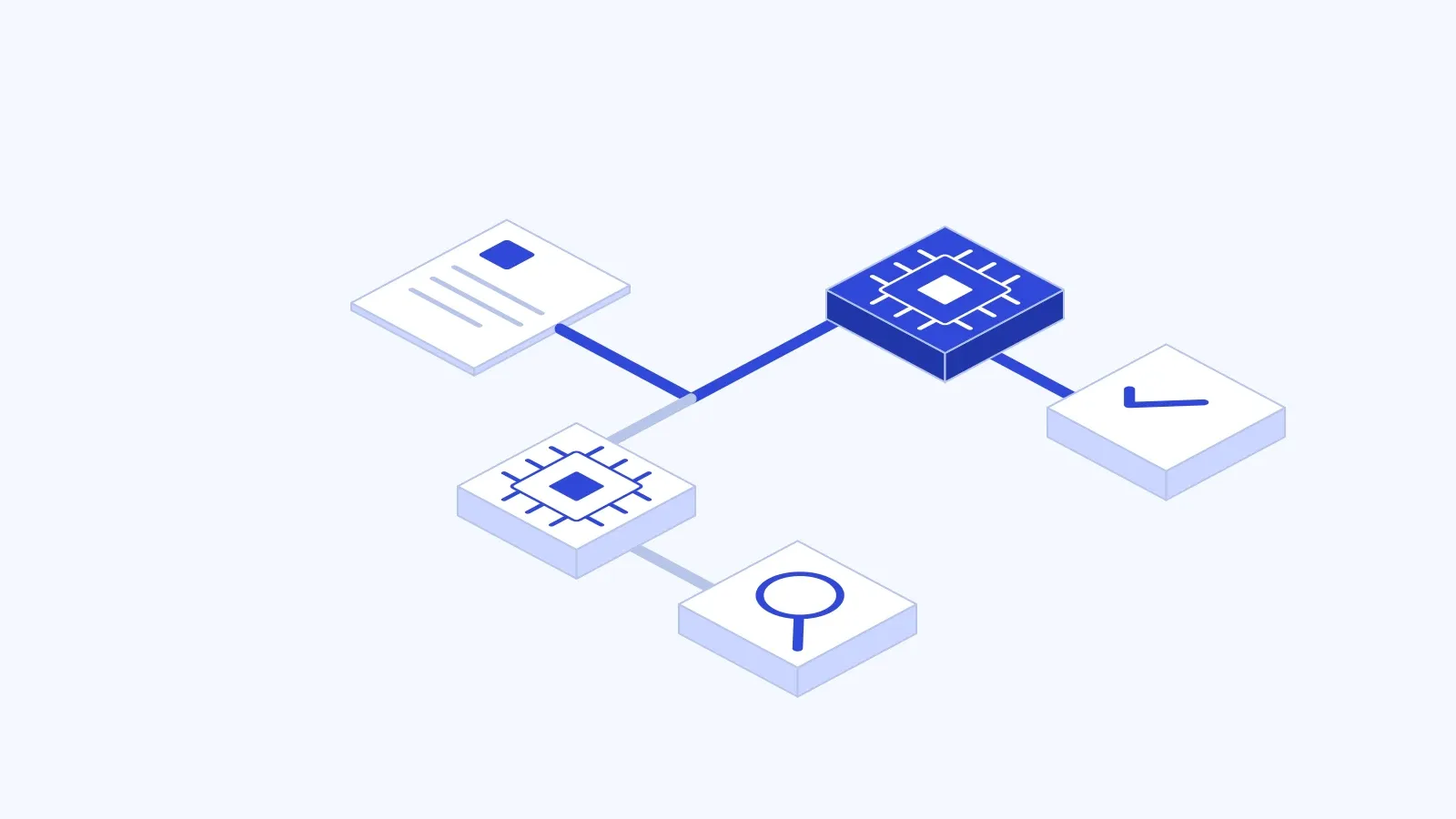
Passing the schema check moves a record to evidence and business checks. Only an authorised action can proceed, and a failed check takes the record out of the automatic path.
Our AI agent evaluation guide explains how to test outcomes and actions together. Include records with correct formatting but incorrect values so the evaluation can expose that distinction.
Treat Refusals And Incomplete Responses Separately
Do not force every response into the success record. A provider can return a refusal, an incomplete generation or an API error. The application's response handling must recognise those states before reading the expected business fields.
Show the user a useful next step. Missing source information may need a question. A temporary service failure may justify a bounded retry. A refusal needs handling appropriate to that outcome. Those cases should not collapse into an empty record that looks successfully processed.
If a retry is allowed, preserve the original input and the relevant failure reason within the application's retention rules. Set an attempt limit and avoid repeating external actions. For an operation that changes a customer record, a duplicate write is a different problem from an unsuccessful extraction.
Use A Schema Version You Can Trace
Treat the schema as an interface between the model response and the rest of the application. Changing an allowed value can break a downstream rule even if the response remains valid JSON. Make compatibility decisions deliberately.
Record the schema version alongside the model and prompt versions in operational traces. Keep private source material out of routine logs unless there is a justified, access-controlled need to retain it. A reviewer often needs to know which contract was applied without seeing every customer message.
When several models serve the same workflow, apply one shared contract and validation path. Our AI model routing guide discusses how to keep those behaviours consistent as requests move between approved models.
Test The Handoff Before Connecting A Write
Build a small set of realistic cases with expected field values and expected next steps. Include a complete request, missing information, contradictory details, an unsupported category and an unsuccessful provider response. Judge whether the application handles each case correctly, rather than whether the result looks tidy.
For a first pilot, keep extracted records reviewable before they cause a change. Inspect where the source was misunderstood and where the contract failed to express a real situation. Tighten the field definitions and tests before expanding the automatic path.
SparkCode's AI integration service can help connect extraction to the systems that own the data and permissions. The useful outcome is an application that knows what it received, what remains uncertain and which action it is authorised to take.