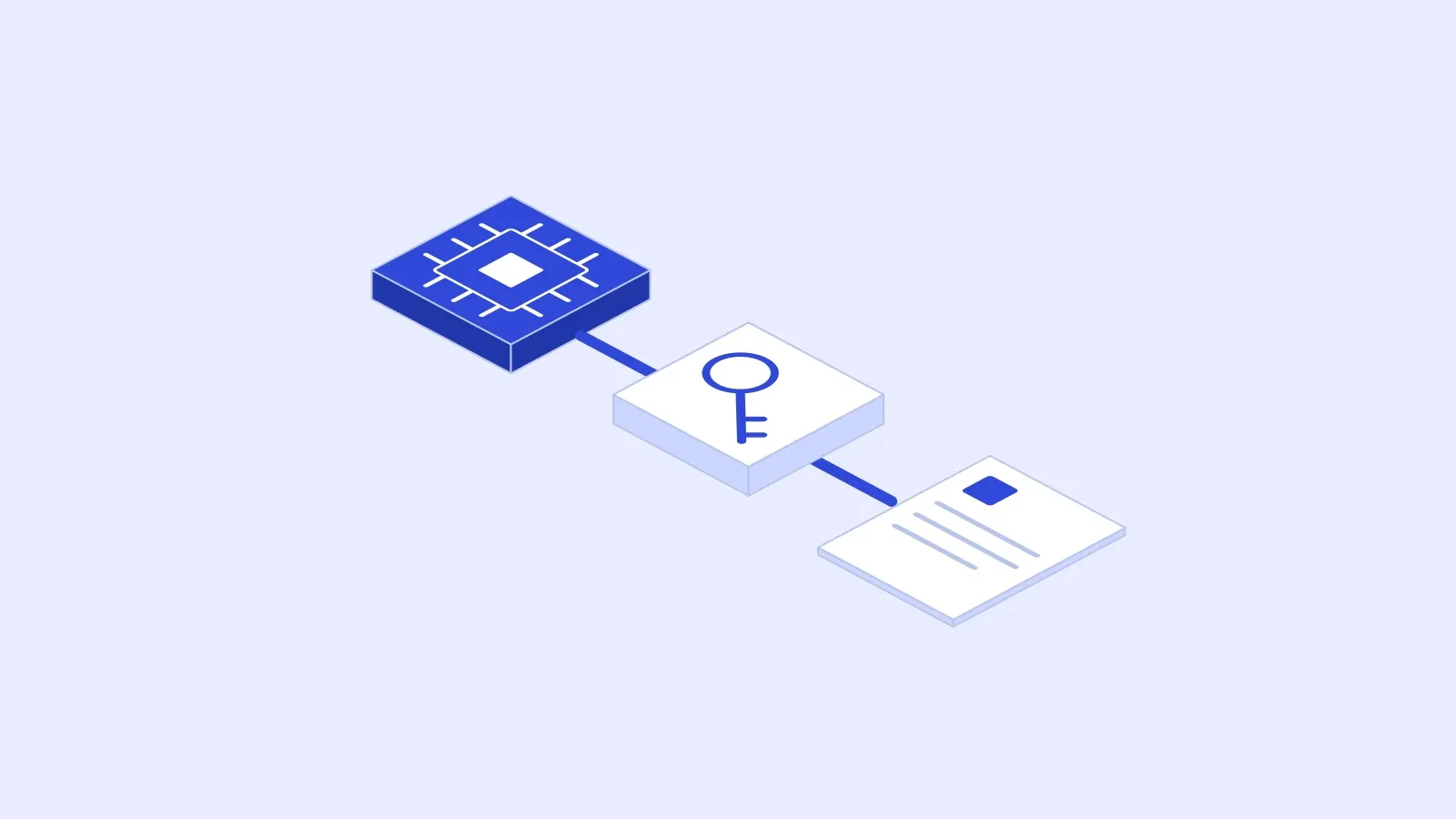
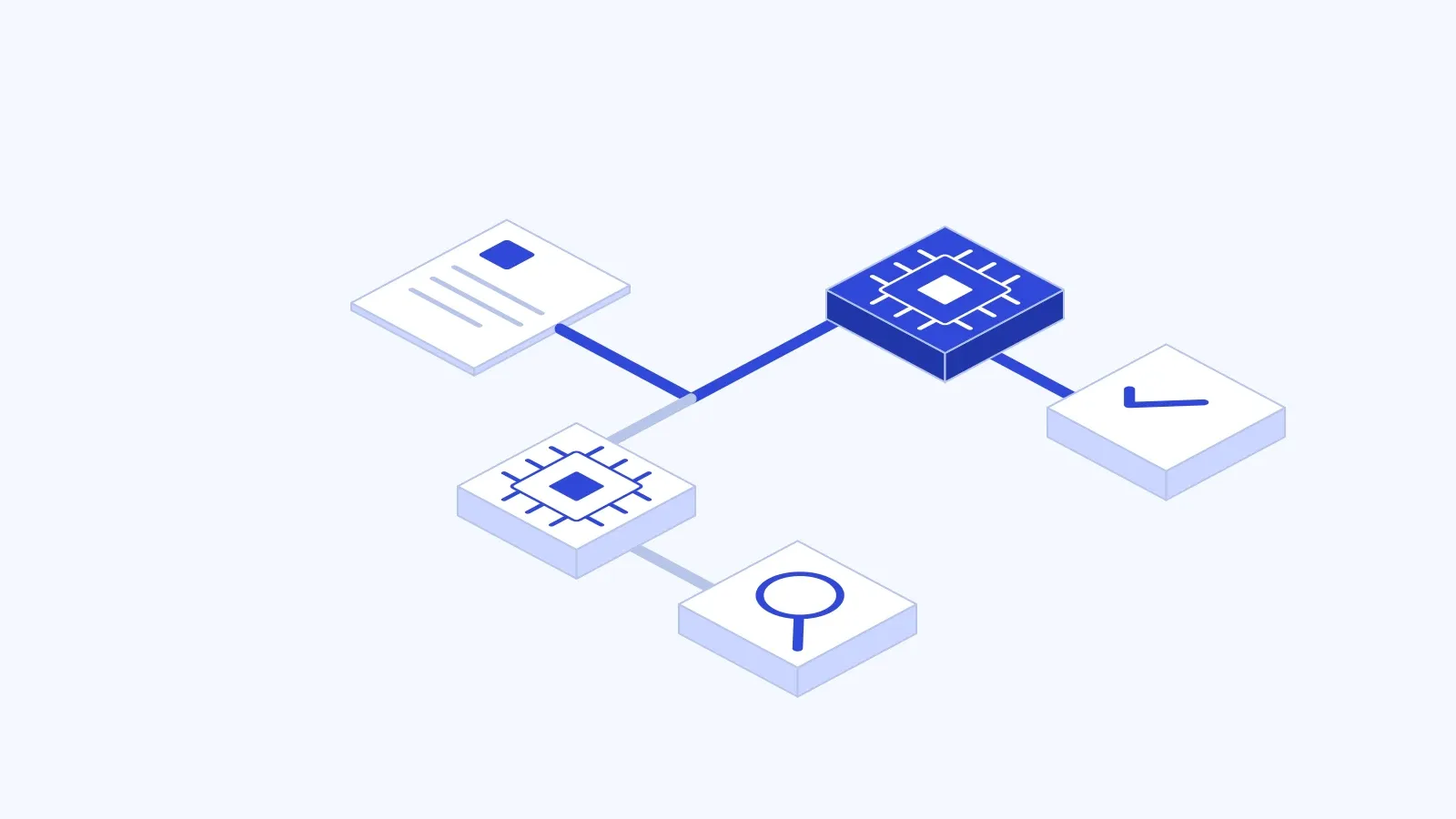
Before replacing a live AI model or workflow, a team may want to see how a candidate handles real requests. In shadow testing, the existing system remains responsible for the user-facing response while a copy of selected traffic is sent to the candidate. The candidate's output is recorded for comparison rather than used as the live answer.
This can reveal differences that a small offline test set misses. It does not prove that a candidate is safe or accurate, and it needs careful controls around copied data and any tools the candidate can call.
Split The Request, Isolate The Outcome
A typical setup selects eligible requests, sends each to the live path and a candidate path, and associates their outputs with the same test case. The live path continues to serve the user. The candidate runs separately and returns a result for review.
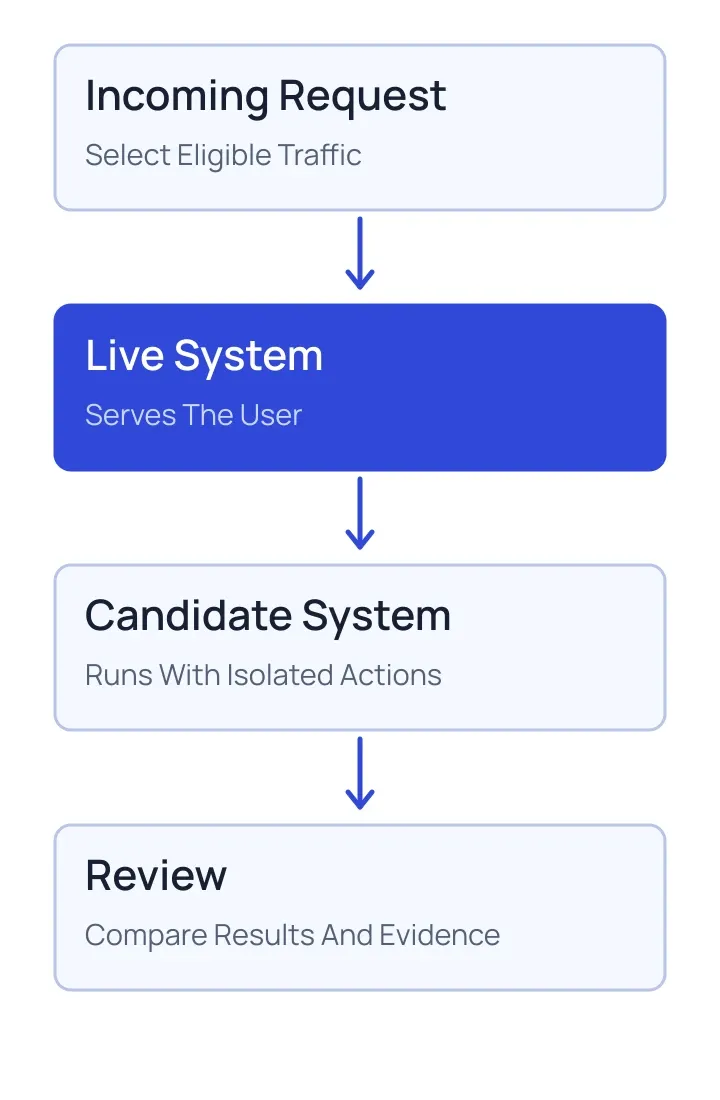
For a hypothetical support assistant, both versions might receive the same question and authorized reference material. Reviewers compare whether each answer uses the right evidence, handles missing information and suggests an appropriate next step. If the candidate can call tools, its writes and external messages must be disabled or sent to an isolated environment. Otherwise a supposedly invisible test could change a real record.
The copy must be authorized for the candidate's provider and environment. Limit sensitive data, apply retention rules and consider whether a third party or a different region receives information. A shadow run is still data processing, even when the user does not see its answer.
Define What You Are Comparing
Set criteria before reviewing results. Depending on the task, useful measures might include factual support, correct tool selection, completion rate, latency, cost and the rate of requests handed to a person. Pair automated checks with representative human review where the task requires judgment.
Similar answers do not mean both are correct. The live system can make mistakes too, so compare each result with trustworthy references or known outcomes where possible. Preserve enough context to understand a disagreement without collecting unnecessary private information.
Select traffic deliberately. A candidate tested only on simple questions may fail on rare but important cases. Stratify examples by task type and failure mode where practical, and supplement shadow traffic with controlled edge cases. If an action depends on a real external state, a simulated tool response may not reproduce all production behavior.
Prevent Hidden Side Effects
Use read-only credentials or isolated copies of tools for the candidate. Disable outbound notifications, payments and writes to production unless explicitly designed and authorized for the test. Check that retry logic, background jobs and webhooks cannot escape the isolation boundary.
Watch the additional load on shared services. A candidate can double reads or consume rate limits even when it cannot write. Decide how to sample traffic and stop the test if it affects the live experience. Record the candidate version, configuration and test window so results can be interpreted later.
Decide What Happens Next
Review errors and disagreements, investigate whether they reflect a real improvement and define a threshold for a follow-up release decision. Shadow testing does not expose the candidate to all user interactions, and a later production rollout still needs monitoring and a way to revert.
Use agent evaluations for defined task criteria and observability for evidence about the steps within a run. A useful test makes uncertainty visible and supports a decision; it does not turn a candidate into a proven replacement by itself.