When an AI agent gives a poor answer, the final response is only part of the story. The problem might have started with an empty search, a slow tool, an unexpected retry or a handoff that dropped context. Observability connects those steps so a team can investigate what actually happened.
For agent systems, useful evidence includes the task, tool calls, outcomes, timing and relevant decisions recorded by the application. It does not require exposing private internal reasoning or collecting every piece of user data. The goal is to make failures understandable while keeping access and retention proportionate to the task.
Follow A Run Across Its Steps
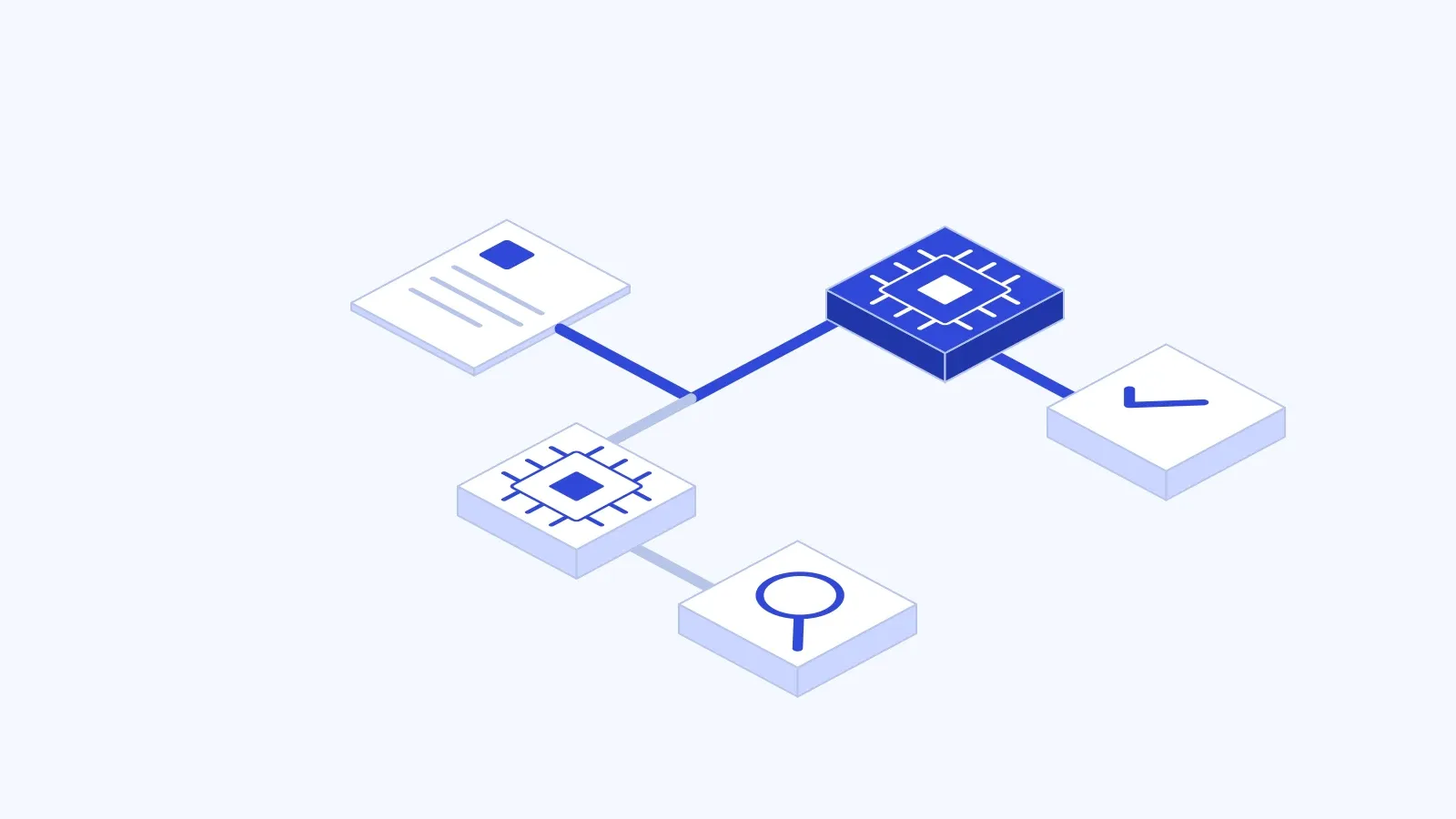
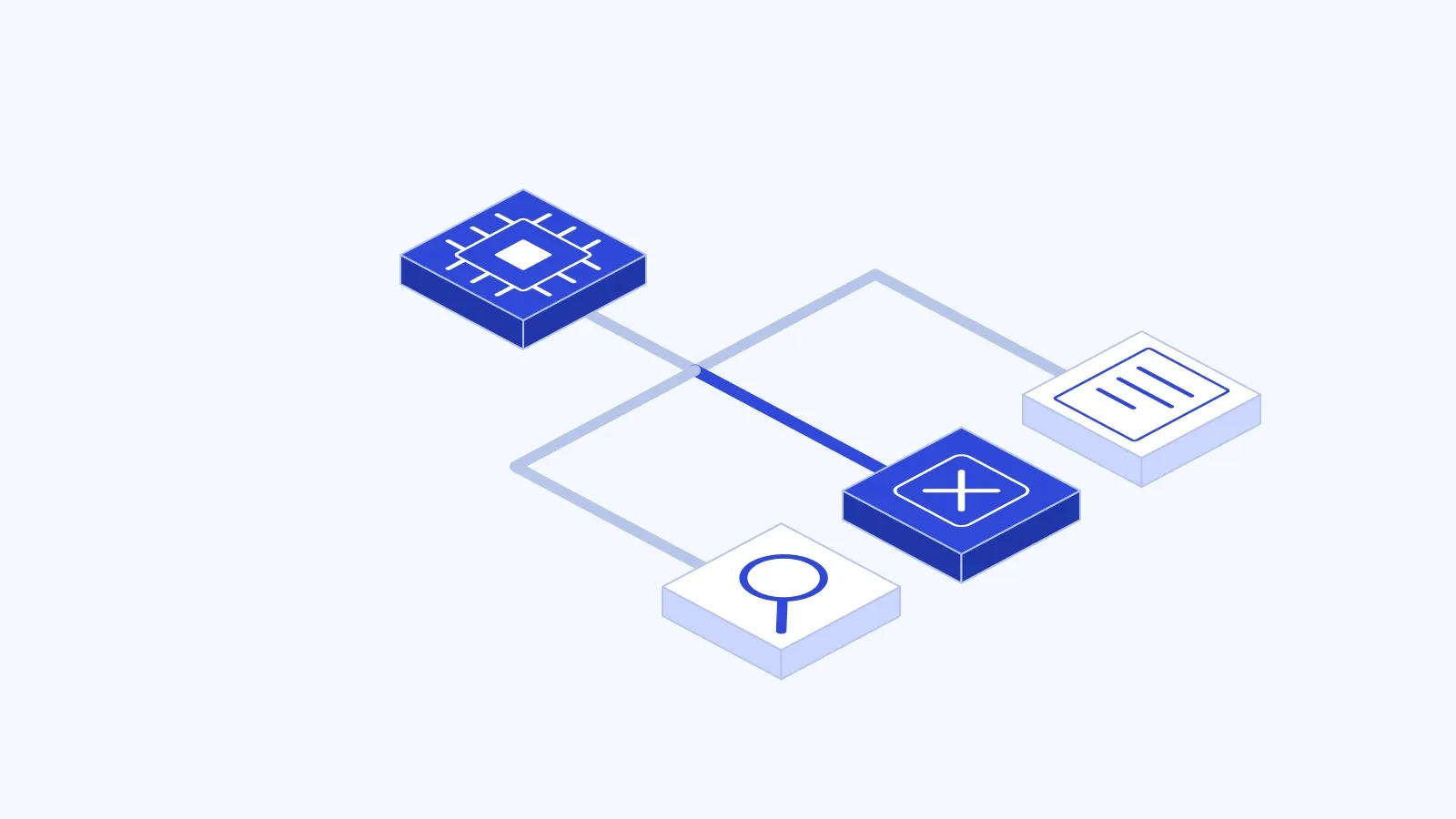
A trace represents one journey through a system. Its spans represent operations within that journey, such as a retrieval request, a model call or an external tool invocation. Parent and child relationships show how those operations relate. A failed span can point an investigator toward a particular integration instead of leaving them to inspect an entire conversation.
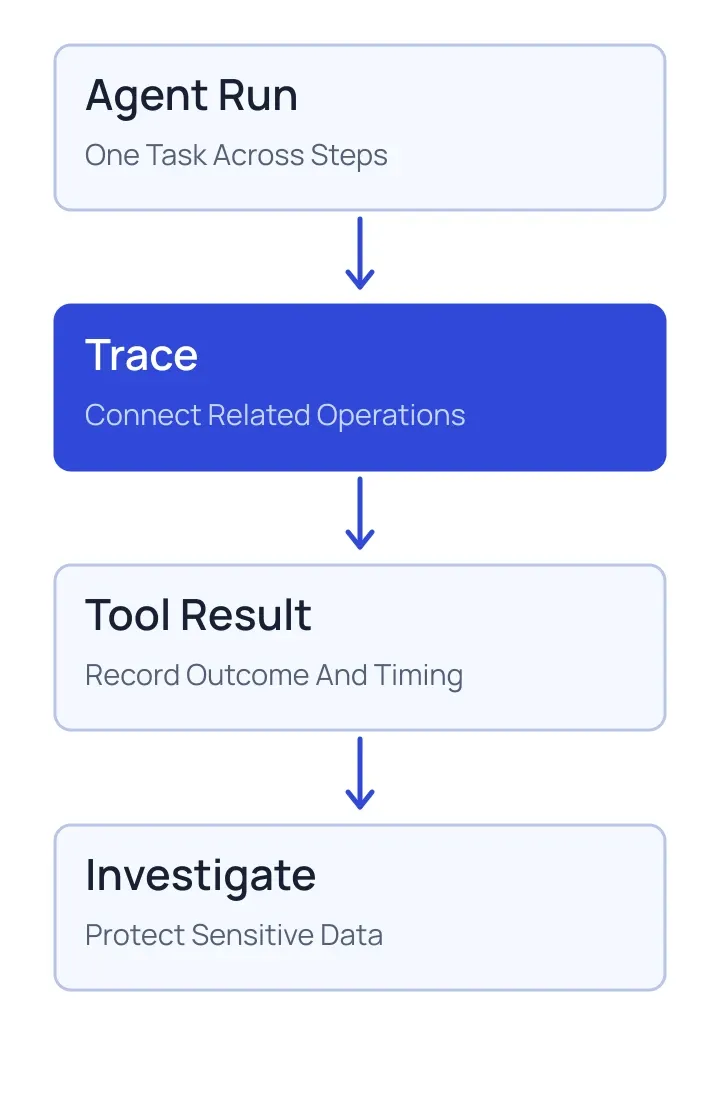
In a hypothetical research workflow, a trace might show a user request, two searches, a document lookup and a final response. If the response lacks evidence, the team can check whether the lookup returned no results or whether the relevant source was retrieved but not used. That distinction suggests different fixes.
The OpenTelemetry tracing documentation explains the underlying concepts of traces, spans and context propagation. An agent application can add domain-specific attributes, such as the tool name and outcome, while avoiding unnecessary sensitive values.
Choose Signals That Answer Real Questions
Start with a few questions: Did the task complete? Which action failed? How long did the user wait? Was a human review requested? Track task outcomes alongside operational measures such as tool error rates, latency, retries and model usage. Aggregate metrics show patterns; a trace lets someone inspect an individual case.
Measure quality separately from technical availability. A successful HTTP response does not mean the agent answered correctly, cited the right source or respected the task's limits. Pair production signals with representative agent evaluations and clear criteria for the intended outcome.
When a step fails, keep the error category and the context needed to reproduce it. A timeout, a rejected permission and an invalid tool argument require different responses. Capture versions of prompts, tools and configuration where practical, so a team can tell whether behavior changed after a release.
Protect Data In The Observability Layer
Logs and traces can become a second copy of sensitive information. Decide what to capture before enabling detailed recording. Redact secrets, restrict access by role and set retention limits. Where possible, store identifiers and outcome codes instead of full document contents. If full examples are needed for debugging, use an approved and limited process.
Sampling can reduce volume, but it also means a particular run may not be retained. Make that limitation visible and consider preserving additional evidence for failures where policy allows. Do not assume that all missing events indicate the action did not occur.
Turn Evidence Into Improvement
Review a small set of failed or uncertain runs regularly. Group failures by cause, fix the workflow or tool contract, and add a representative case to the evaluation set. A dashboard is useful when it leads to a decision: which failure needs attention, whether a change helped and where the system should hand work back to a person.
Observability makes an agent easier to operate, but it is not a substitute for access controls or approval. It helps a team see what happened; the application must still decide what the agent is allowed to do.