A supplier cannot deliver a component. Which products could be affected?
The answer may sit across purchasing records, component lists and product documentation. Searching for the supplier can find relevant documents, but it may miss a product mentioned only in a separate bill of materials. GraphRAG is one way to retrieve those connections alongside the source material an AI application needs to answer.
What Is GraphRAG?
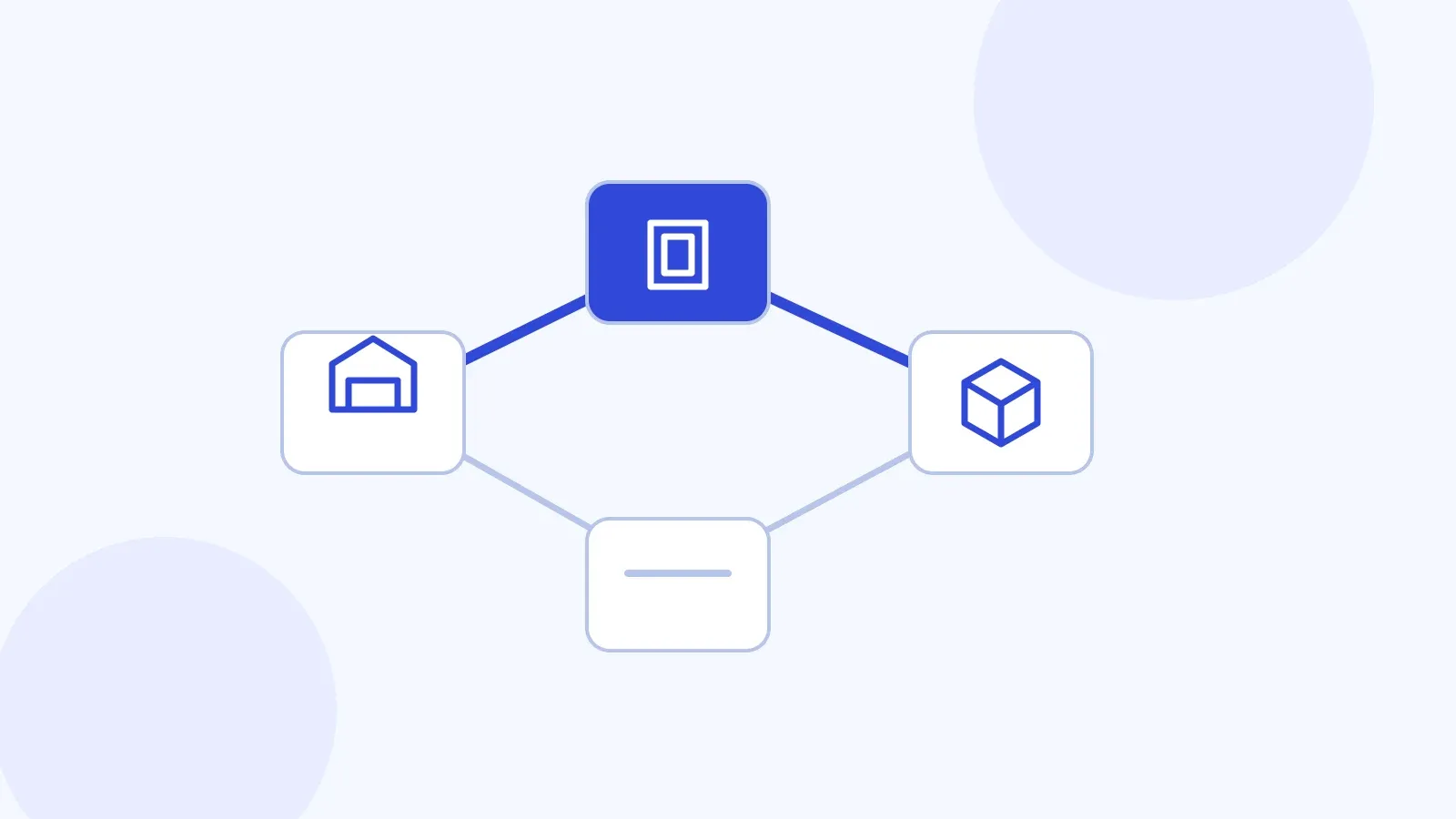
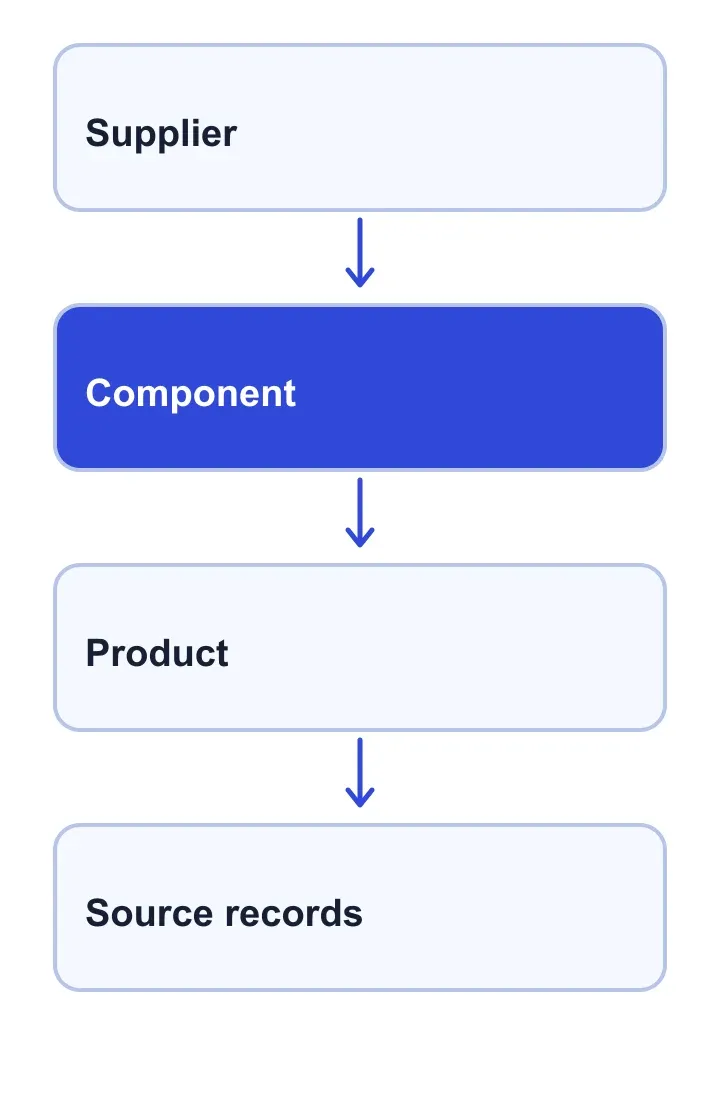
Retrieval-augmented generation (RAG) finds information relevant to a question and supplies it to a language model as context. GraphRAG adds a knowledge graph: a representation of entities and the relationships between them. A graph might connect a supplier to a component, and that component to the products that use it.
The application can retrieve a relevant path through the graph, along with supporting documents, before generating an answer. Some implementations also create summaries of groups of connected entities to help answer broader questions across a collection. Microsoft Research describes one such approach in its GraphRAG research. GraphRAG describes a family of approaches; the exact indexing and retrieval steps depend on the implementation.
A graph does not make an answer automatically correct. It is a way to organize and retrieve evidence, and its usefulness depends on the records, relationships and permissions behind it.
Follow A Question Through The Graph
Consider a hypothetical manufacturer with a supplier record, a component catalogue and product bills of materials. A team member asks which products might be affected by a supplier delay.
A graph can start with the supplier, follow relationships to the supplied components, then find products that reference those components. The application can return the relevant product names with links to the underlying records, their dates and any uncertainty. If the relationship is missing or the bill of materials is out of date, the answer may be incomplete. The team should check the current records before making a purchasing or customer decision.
This example is about finding connected evidence, not predicting a shortage. A reliable impact assessment may also need inventory, alternative suppliers and delivery schedules; those facts need their own sources and checks.
Choose The Simplest Retrieval That Answers The Question
GraphRAG can be useful when questions span several connected records or ask about patterns across a collection. It can also add work: identifying entities, linking names that refer to the same thing, retaining source references and updating relationships as the business changes. Graph construction and summarization can carry significant processing costs, as Microsoft Research notes.
For questions answered by one well-maintained document, keyword or semantic search may be enough. Hybrid search combines both and is a useful baseline. Compare approaches on the questions people actually ask, rather than assuming a graph will improve every answer.
Keep The Evidence And Permissions Attached
A useful graph relationship should point back to its source and indicate when that source was updated. Decide which system owns each fact and how changes, deletions and contradictory records are handled. Automated extraction can propose relationships, but a reviewer may need to resolve ambiguous names or important conflicts.
Apply access controls to graph nodes, relationships, source documents and generated summaries. A path can reveal sensitive information even when the final answer omits a document. Check permissions for the person asking before retrieving and presenting evidence, and avoid aggregating restricted information into summaries visible to a wider audience.
When the available evidence is weak or incomplete, the application should say so. Link to the supporting records where the reader is allowed to see them, and avoid presenting an inferred connection as a verified fact.
Evaluate Before Expanding
Build a small test set of representative questions with known source records and expected relationships. Include missing links, old documents, similar entity names and requests from users with different permissions. Measure whether the system finds the right evidence, whether the answer reflects it, how often it admits uncertainty, and how long and costly the workflow is to run.
Compare that result with an ordinary search or hybrid retrieval baseline. Review failures, correct the underlying data where needed and repeat the tests after updates. AI agent evaluations offers a practical approach to defining success and reviewing outcomes.
Start with a narrow area where connected questions are frequent and someone owns the source data. A smaller graph that can be maintained and checked is more useful than a broad one that quietly falls behind the business it describes.