An AI assistant gives a confident answer about an expense policy. Can the person reading it check where that answer came from?
An answer with evidence connects claims to sources a reader can inspect. That sounds simple, but a link alone does not establish that a claim is accurate, current or complete. A useful system must find the right material, respect access rules and make uncertainty visible.
From A Question To A Source
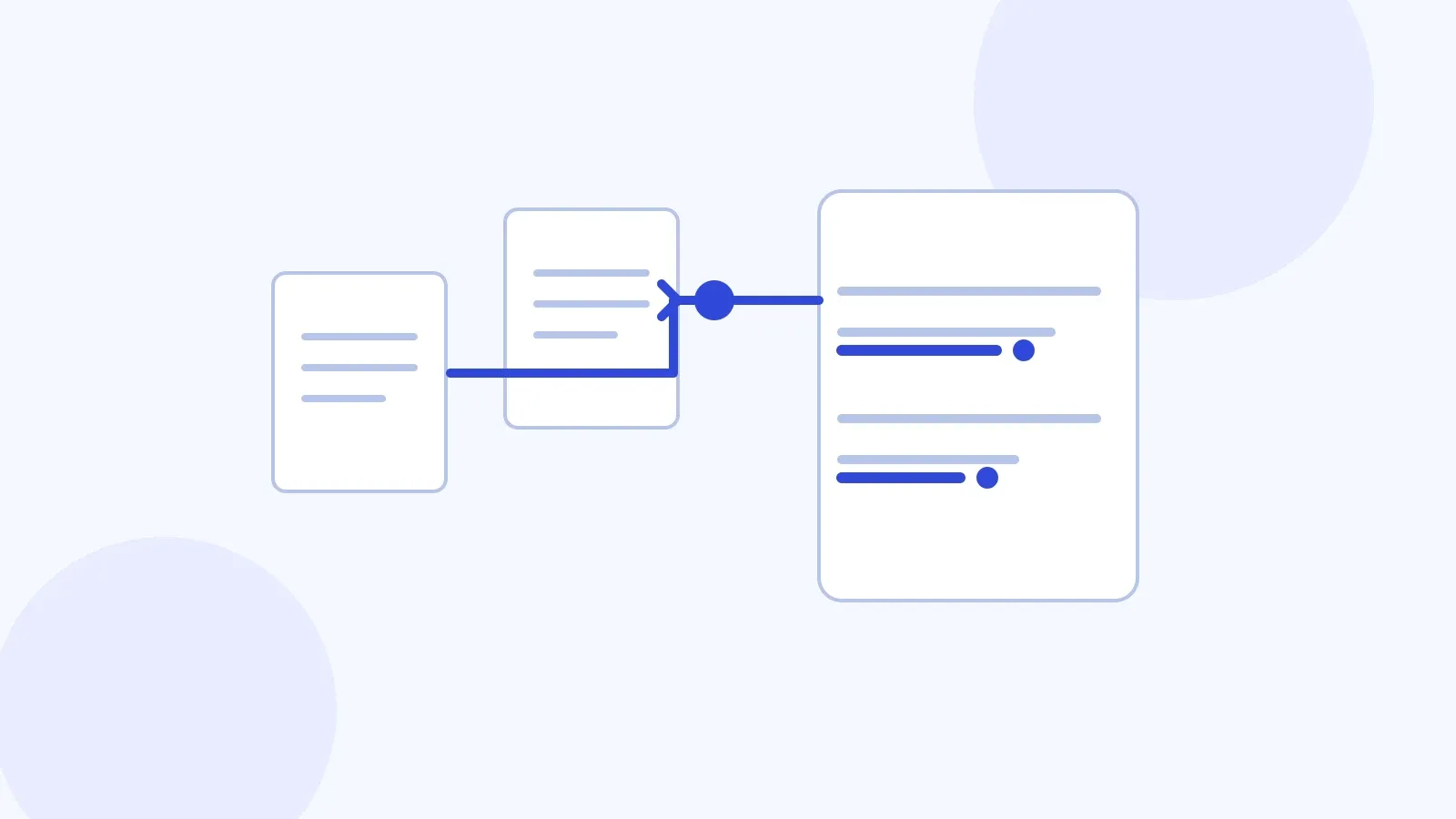
A retrieval-augmented generation system searches a collection for material relevant to a question, then gives selected passages to a language model as context for its response. For an expense question, those passages might come from a current policy and an approval table. The answer can link each relevant statement to the section it relied on.
The reader should be able to see what the source says and, where authorized, open the original document. A title, meaningful excerpt and last-updated date can be more useful than an unexplained reference number. Google's grounding documentation describes linking claims to supporting passages and checking whether an answer is supported by supplied facts.
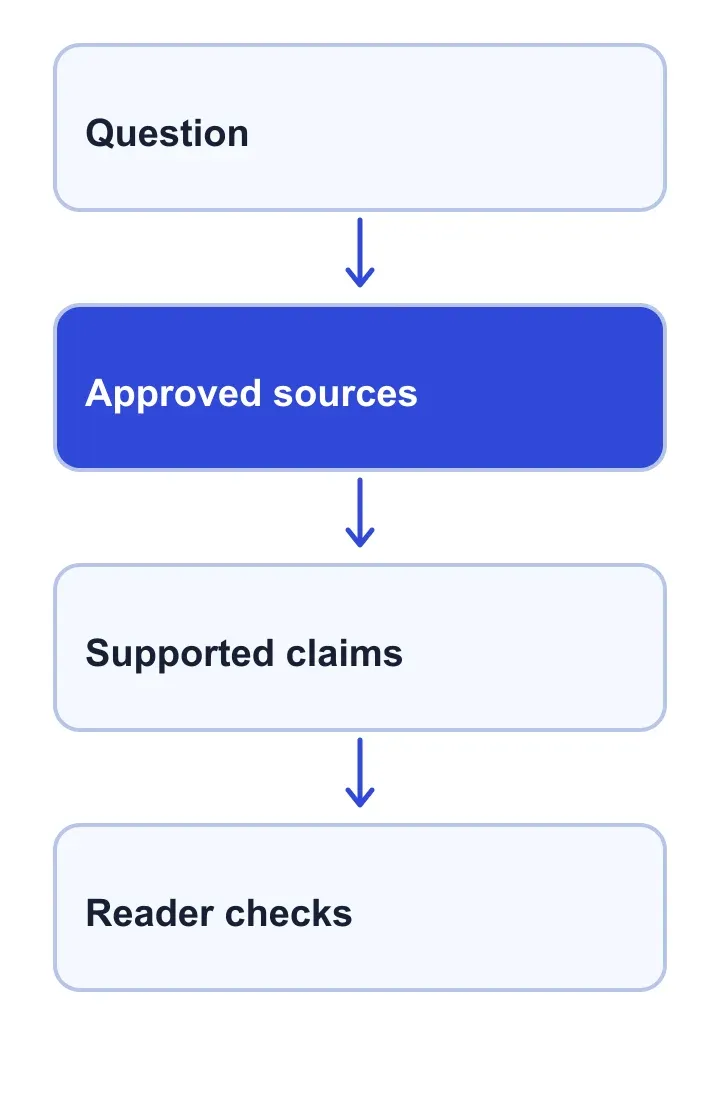
A source link is a starting point for review. The system still needs to decide whether the passage supports the specific statement and whether it applies to the situation being asked about.
Make Each Citation Earn Its Place
Suppose a policy says that expenses over a threshold need approval, with a separate exception for travel booked through an approved process. An answer that cites the threshold but leaves out the exception may be misleading even though the citation is real.
Check whether the cited text supports the whole claim, not just a related phrase. If the answer combines information from several documents, show the relevant sources for each part. Distinguish a direct statement in a policy from an interpretation or inference. When the evidence conflicts or is missing, say so and point the reader to an appropriate review route.
Source quality matters as much as retrieval quality. Decide which documents are authoritative, how older versions are retired and how quickly changes become searchable. If a source is updated after an answer was generated, a link to the latest version alone may not explain what the assistant saw at the time. Retaining an appropriate version reference or timestamp can help an authorized reviewer investigate.
Respect Access At Every Step
The assistant should retrieve only documents the requesting person is allowed to use. Apply the same rule to snippets, citations, cached results and any generated summaries. A short excerpt can disclose restricted information even if the linked document itself remains protected.
Permissions can change. Recheck access when a user opens a source, and design caches and indexes to reflect changes within a documented period. Avoid placing private document text in logs where it is available to a broader group. For more on scoped access in agent workflows, see AI agent identity and permissions.
Test The Whole Answer
Create a set of real questions with expected sources and important conditions. Include an outdated policy, two conflicting passages, a question with no answer in the collection and a request from someone without access. Review whether the right evidence was retrieved, each claim was supported and the response preserved exceptions.
Automated support checks can help prioritize review, but their scores are estimates. They do not guarantee that the source is authoritative or that a policy has been applied correctly. Human review remains important for consequential decisions. Agent evaluations explains how to build representative cases and check outcomes over repeated runs.
Decide When Not To Answer
A useful assistant can say that it could not find enough reliable information. Give the reader a next step: consult the policy owner, review the original document or ask a narrower question. For decisions involving money, rights or safety, design an appropriate approval step instead of treating a generated answer as final authority.
Good citations make an answer easier to inspect. Reliable answers also depend on current sources, enforced permissions, careful wording and a process for correcting mistakes.